To summarise this question for our cosmetic patients, we need to clarify what it means when we say “veneers are permanent.” In terms of lifespan, veneers won’t last forever; even the longest-lasting porcelain veneers won’t be a permanent addition to your smile. However, they will make permanent changes to your teeth.
That said, this is not the case for all types of veneers. To break it down simply, here are the key points you should know…
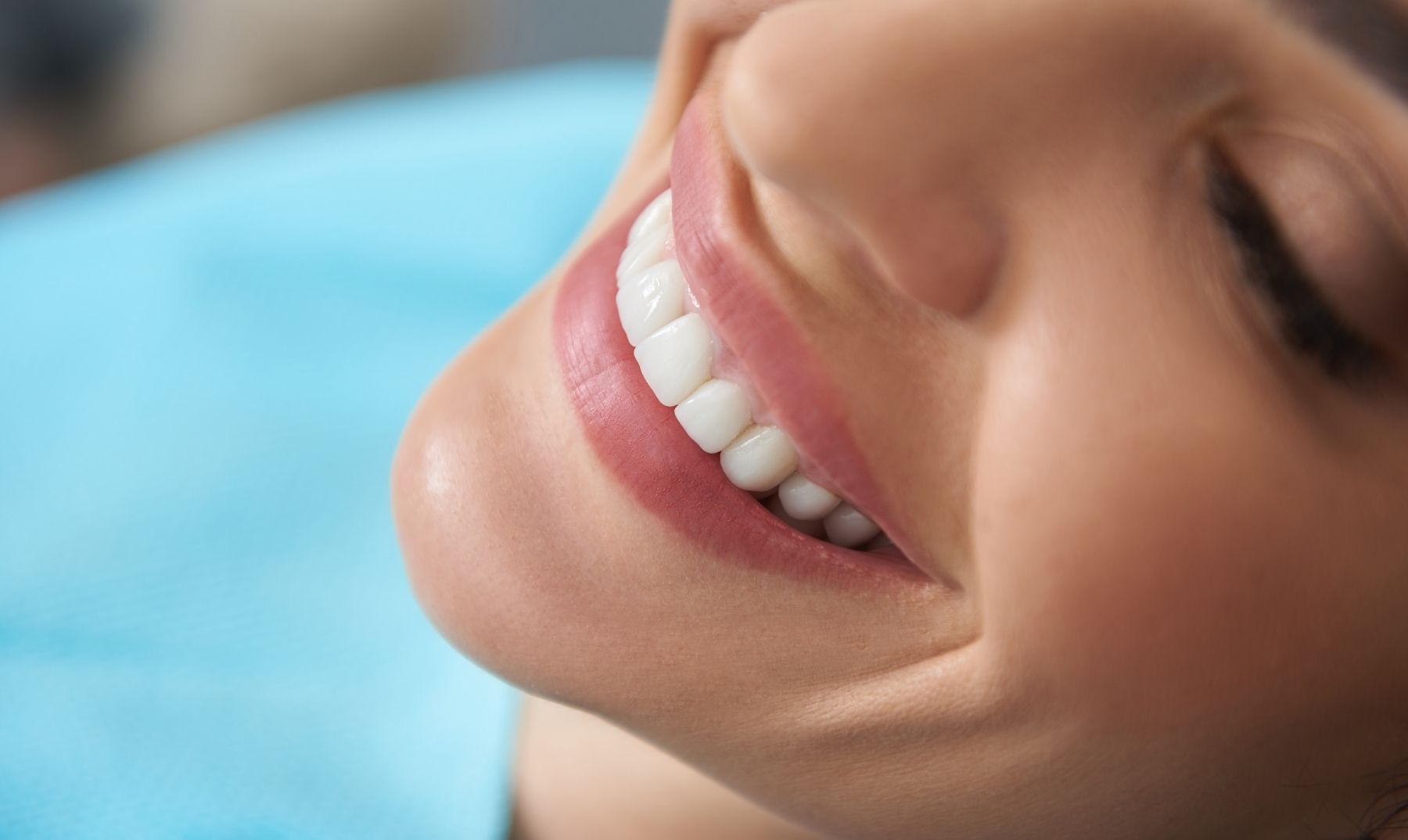
Certain types of veneers, such as porcelain, are classified as permanent because, during application, a small amount of enamel is removed to allow them to sit on top of the tooth. For no-prep veneers such as composite, this step is not necessary, making them a reversible option.

This is where it might get a little complicated. Traditional porcelain veneers, which require enamel removal to be replaced, are permanent.
For example, when we use Emax veneers, we’ll need to remove a small amount of enamel.
Once this enamel is removed, the tooth will always need to be protected with a veneer or a crown. This means you are committing to having veneers for the long term, and they will need to be replaced or refreshed over time as part of ongoing maintenance.
However, modern types and brands of porcelain veneers, which are marketed as ultrathin and no-prep, which involve no enamel removal, are considered reversible options, which means you do not have to commit to them long-term.
If you don’t want composite veneers but prefer a non-permanent porcelain option, that’s also possible; you’ll need to choose a brand such as Durathin, Ultrathin, or Lumineers.
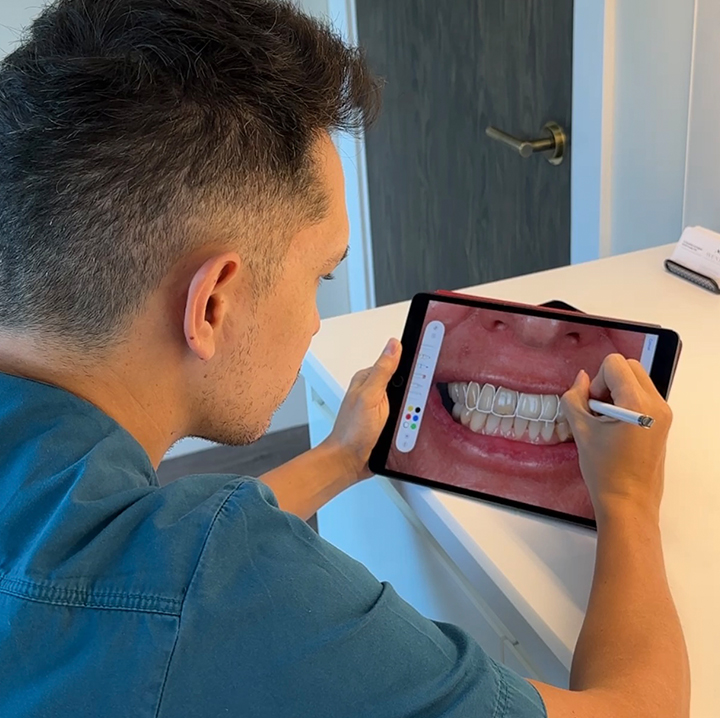
The answer to this question really depends on your goals…
For patients committed to a full smile makeover, porcelain veneers are the preferred option because they offer superior aesthetics and enhanced durability and strength. They’re also chip and stain-resistant, requiring less maintenance than composite veneers.
Once you commit to traditional porcelain veneers, there’s no going back, so you must be sure you want them before you proceed, as they are permanent. Your underlying teeth will require long-term protection, whether with another veneer or a crown, until they are replaced.
To keep costs low in the future, you can replace your porcelain veneers with composite veneers, even if enamel has been removed. But when the enamel is reduced, the tooth relies on the restoration for protection, and in this case, porcelain veneers offer strong strength, longevity, and colour stability.
Back to Blog