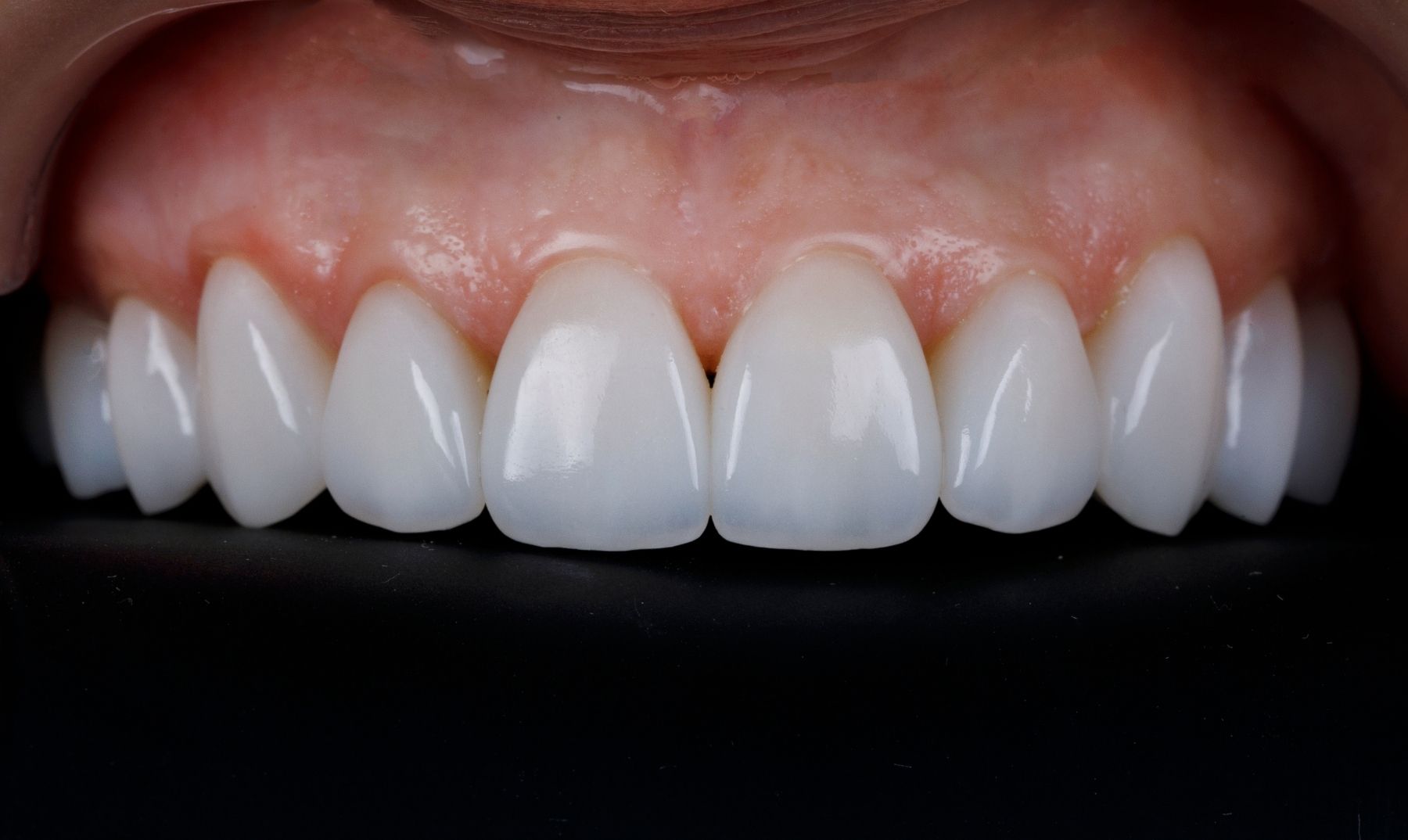
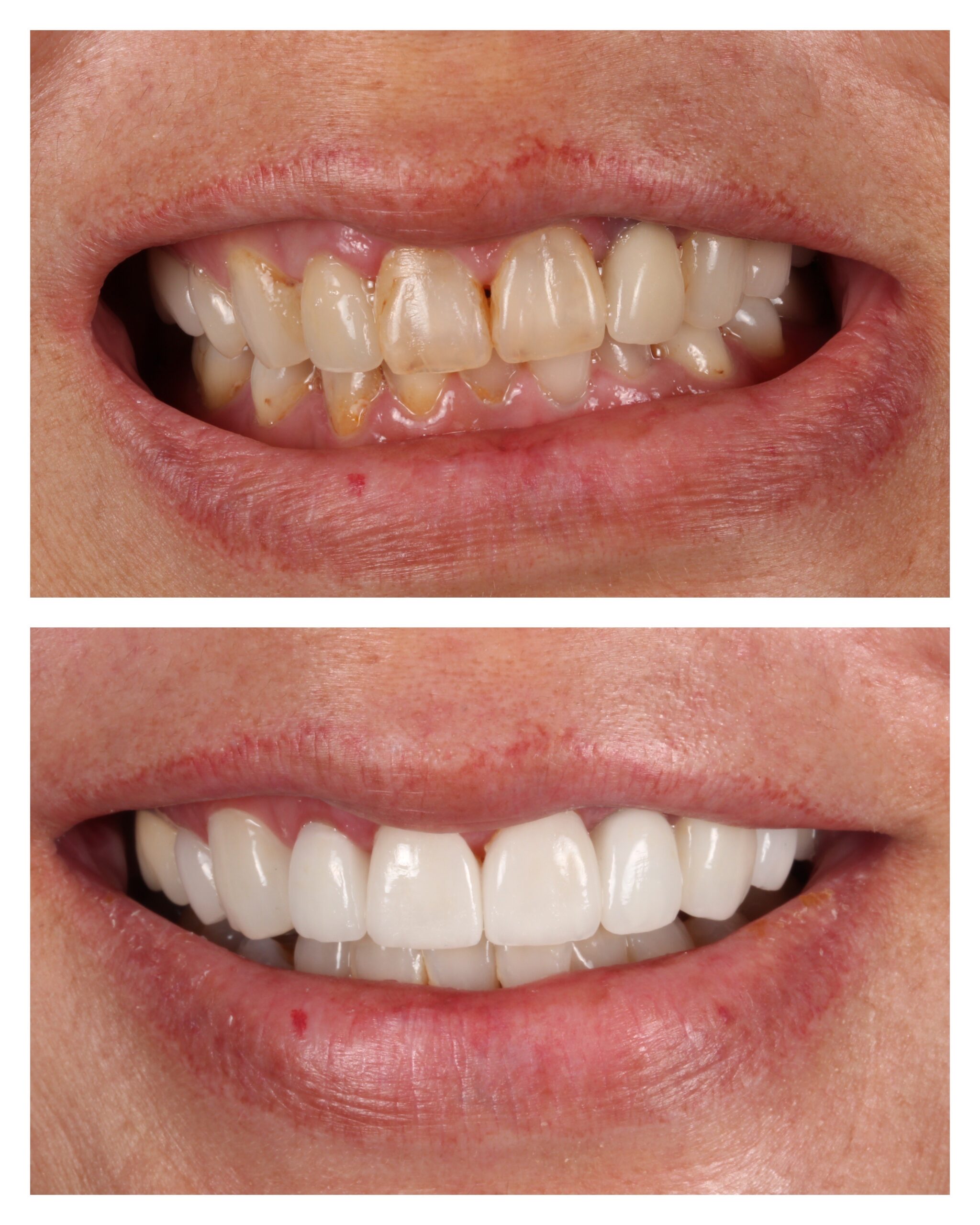
Most “how long do veneers last?” articles will give you the average number and move on – but as experienced cosmetic dentists, we think it’s important that patients understand the true longevity and what it means.
The lifespan of veneers depends less on the material used itself, and more on how much stress the veneer is exposed to over time.
Your veneers won’t fail just because you hit the year 10 mark on the calendar; they’ll fail when there’s a single weak link in the system, whether that’s the condition of the tooth, your bite, bonding, habits, or hygiene.
So, let’s break it down carefully for you:
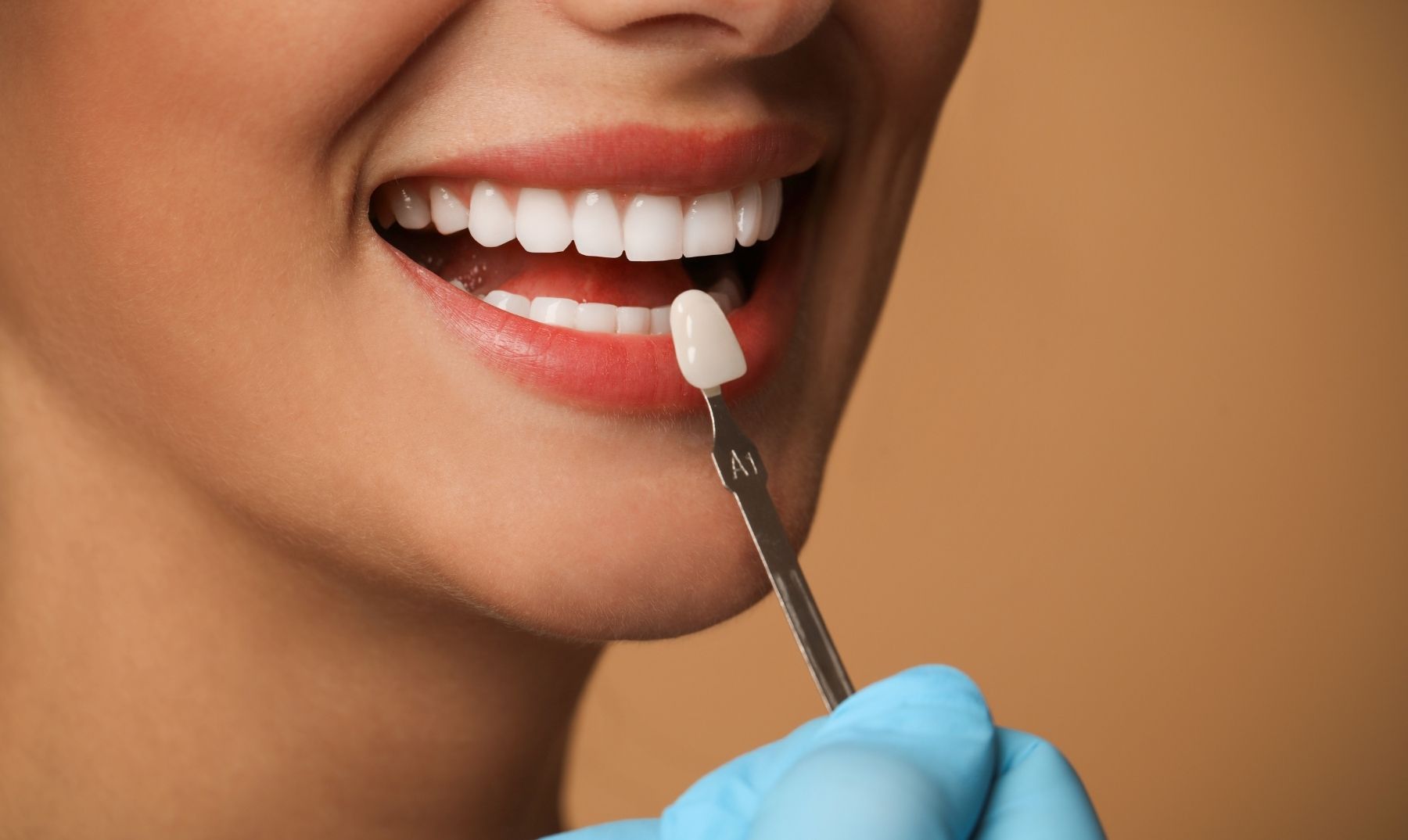
These lifespans are averages, not expiry dates. In simple terms, most patients can expect their veneers to last approximately this long, with some needing replacement sooner and others lasting much longer.
Remember, the exact lifespan of your veneers depends on bite forces, habits, enamel quality, and maintenance, not just the material itself.
As a dentist in Georgetown who offers dental veneers, we want our patients to feel confident in their makeover, which is why you can trust that your treatment has been carefully planned with longevity in mind, taking into account your oral health and bite.
We also offer a 3-year guarantee on all our porcelain veneers.
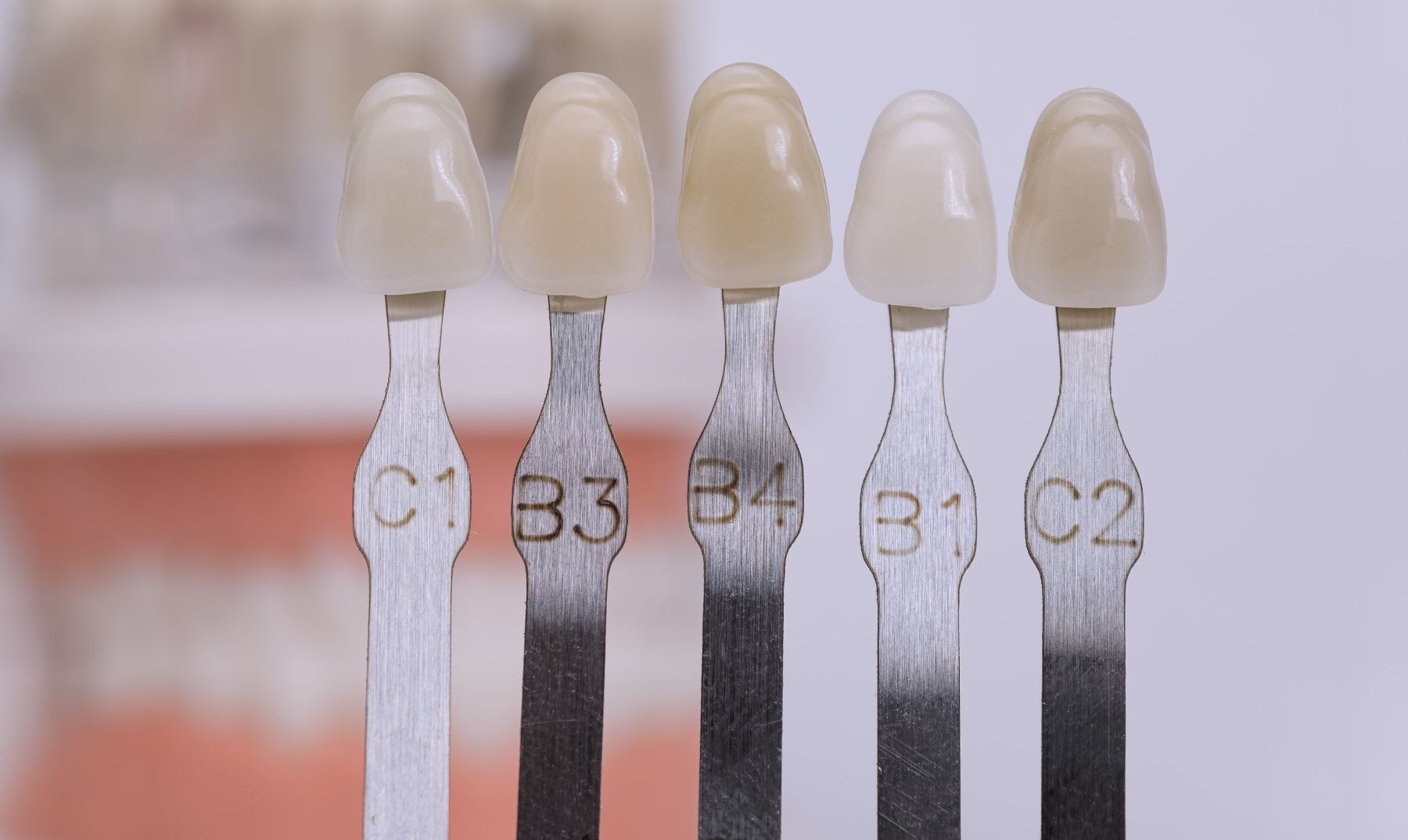
In the right case, with good enamel bonding, controlled bite, and proper maintenance, Emax veneers can last up to 20 years.
In most early veneer failures, the problem isn’t the material; it’s the bite forces.

Porcelain veneers, the longest-lasting type, are typically quoted to last 10-15 years with proper care, but many last much longer, especially with regular follow-up care and maintenance.
Composite veneers, on the other hand, are typically quoted to last 5-7 years before needing refinish, repair, or replacement.
Your experience with composite isn’t that it’ll fail suddenly; it wears, stains, and chips over time, which is why maintenance is part of the expectation.
A large systematic review of porcelain laminate veneers, published in MDPI, reported an estimated 10-year cumulative survival rate of 95.5%. Source.
Clinically, we do see cases where veneers can last longer than 20 years – they can survive decades.
But survival is often defined by the veneer still being bonded to the tooth, even if it has minor chipping, shows signs of wear or no longer meets modern cosmetic standards.
Survival means functionally present, not Instagram-perfect.