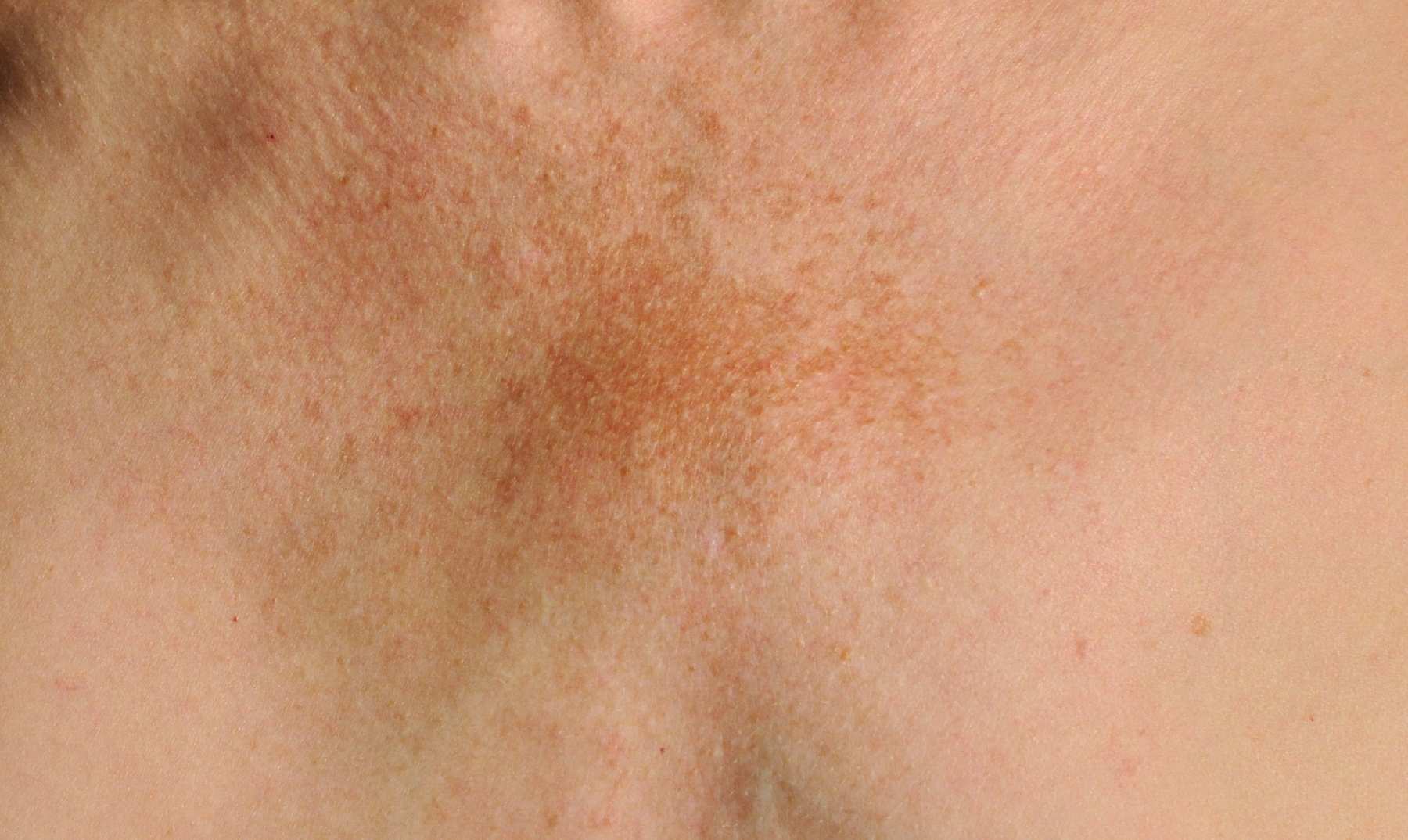
Sun damage and pigmentation often appear as freckles, sunspots, uneven skin tone, melasma or darker marks following acne and inflammation.
Sun-kissed skin is dreamy, but the patchy pigmentation, dark spots and uneven skin tones that appear later are less than ideal. Especially when you live in the Cayman Islands with year-round sunshine, your skin is exposed to high levels of UV, which over time triggers freckles, age spots, rough skin texture and stubborn areas of pigmentation, even if you’re careful. Call +1 345 746-8555.
But at Aventis in George Town, our modern pigmentation and sun damage treatments do more than temporarily brighten the skin. With professional light therapy, laser treatments, medical-grade peels and personalised skincare, we can break down discolouration and restore a clearer, more even-looking complexion.
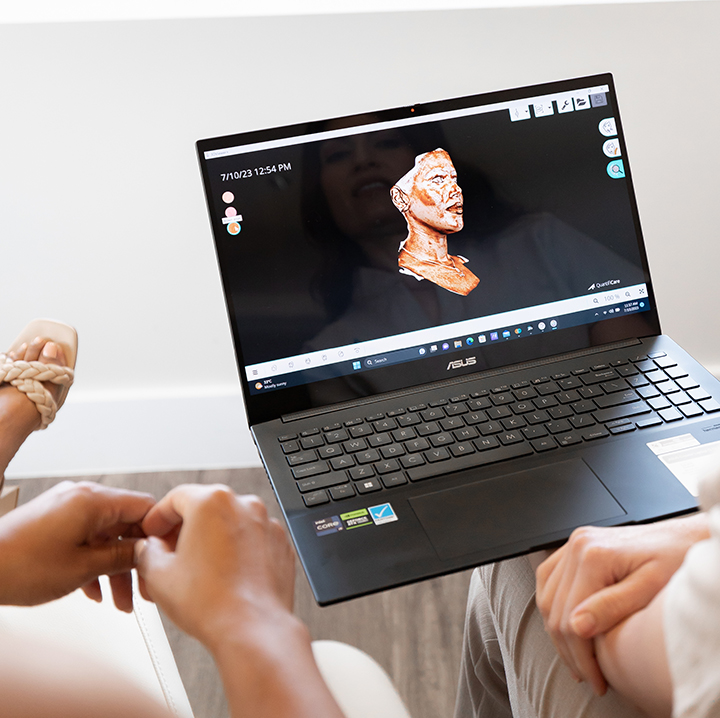
Book a professional skin assessment to identify the type and depth of pigment:
Effective treatment begins with identifying whether your problem is sun damage (age spots and freckles) or hormonal melasma, as certain heat-based therapies can make certain conditions like melasma worse. Typically, the best approach involves combining medical-grade skincare, chemical peels, and strict UV protection.
Always begin with a consultation with a dermatologist like Dr Bexfield for a tailored plan. Call +1 345 746-8555.

BBL is a high-tech, non-invasive treatment that uses pulses of targeted light energy, which is absorbed by excess melanin in the skin to improve visible sun damage, freckles, age spots, redness and uneven skin tone. The light safely heats the pigment cells, gradually breaking them down so the body can clear the damaged cells naturally. Learn more.
Within 5-14 days, sun spots, age spots, and freckles will typically darken before flaking off or being naturally reabsorbed by the body. It’s natural for pigmented areas or freckles to temporarily darken before fading away.
For managing melasma, a more cautious approach is needed using gentle, specialised settings, as traditional BBL treatment generates a high degree of heat, which can stimulate and rebound hormonally driven hyperpigmentation. Often, our medical experts will combine or replace the intense light treatment with a low-energy, non-ablative laser like the Moxi Laser.
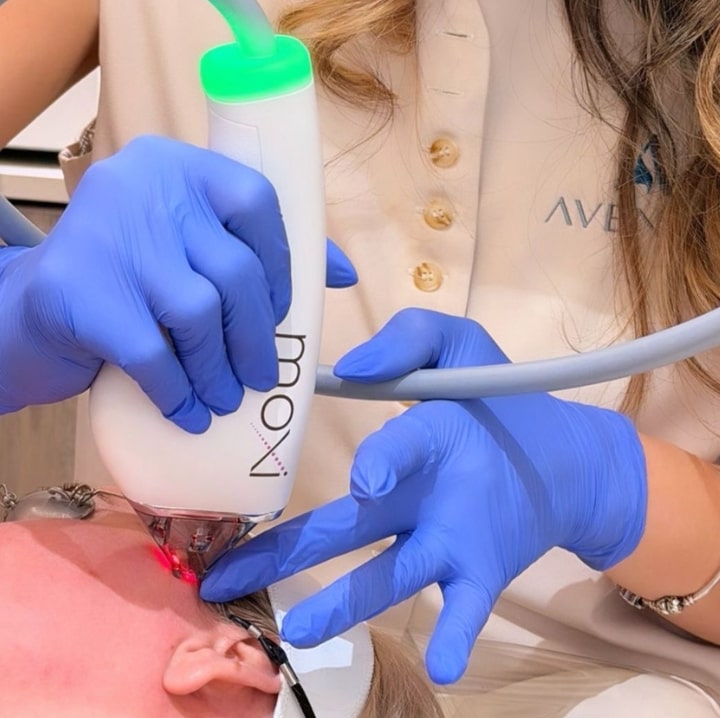
The famous lunchtime laser, Moxi, is a gentle fractional non-ablative laser treatment recommended to improve early sun damage, patchy pigmentation, freckles, age spots, and melasma with minimal downtime (up to 7 days of sandpaper-like skin texture can be expected as the pigment flakes off). Learn more.
The Sciton laser targets water in the skin cells to kickstart your body’s natural healing process to clear damaged pigment skin cells. It works effectively for sun and age spots as it breaks up excess melanin and resurfaces the skin to reveal a brighter, clear complexion. Plus, as Moxi is a non-ablative laser, it is a much safer, lower-risk option for managing melasma.
It’s often combined with BroadBand Light (BBL) therapy in the same appointment to tackle deeper brown spots, redness and sun damage. Together they:
BBL focuses on visible pigment and redness nearer the surface of the skin, while MOXI works fractionally to stimulate renewal, collagen production and improvements in texture.
Email for availability and prices.
Medical-grade chemical peels use professional, potent acids like TCA, glycolic, or lactic acid to remove damaged surface layers of the skin, such as pigmentation and sun damage, while also stimulating cellular renewal.
As the outer layers shed, the once visible areas of sun damage and uneven pigmentation become less visible. Aventis offers different types of chemical peels depending on the severity of your sun damage. For example, light peels that use glycolic or lactic acid improve mild discolouration, while medium-strength treatments containing TCA can penetrate more effectively for deep age spots, severe sun damage and melasma.
Additionally, peels we offer like the Perfect Peel combine multiple active acids (e.g., Kojic Acid, Retinoic Acid) to block melanin pathways and significantly improve stubborn melasma. The recovery and peel process can vary, with mild peels producing some dryness and flaking and stronger, medical-grade peels involving several days of shedding.
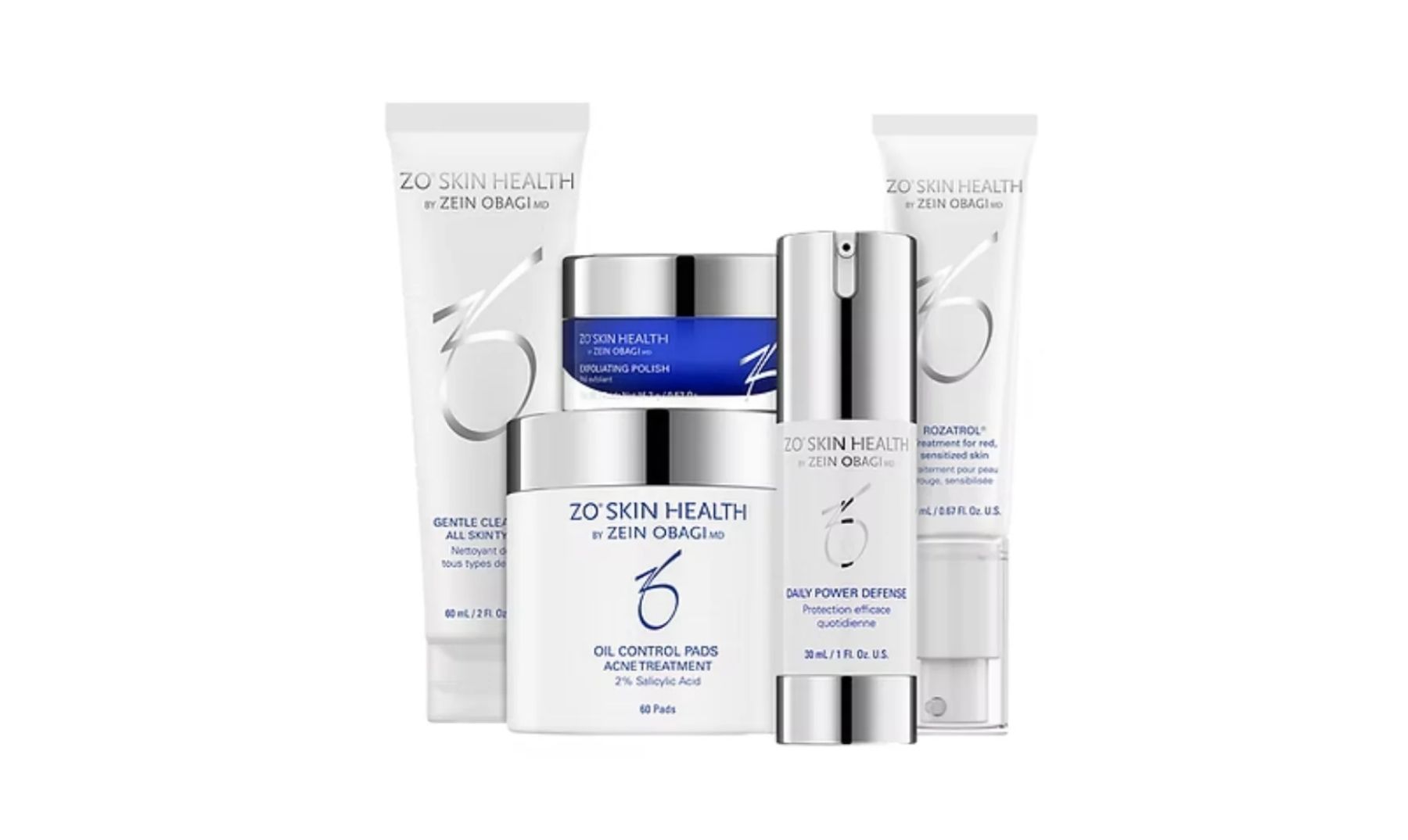
When it comes to pigmentation, what happens at home is every bit as important as what happens in our treatment rooms in George Town. Our dermatologists and facial aestheticians might recommend medical-grade skincare, which uses clinically formulated ingredients to interrupt pigment production, speed up cell turnover and protect the skin from further damage.
Depending on your skin, a pigmentation programme may include:
Aventis offers personalised skincare programmes including ZO Skin Health, which may combine cleansers, exfoliants, retinoids, brightening agents, professional peels and sun protection. Our professional skincare solutions address melasma, pigmentation, acne, redness and sun damage, with visible improvements generally developing over 6-12 weeks of consistent use.

Ready to tackle the sun spots, uneven tone or melasma that your everyday skincare cannot quite shift?
Book a consultation with the Aventis skin and facial aesthetics team to explore the most suitable options for your skin type, pigmentation and lifestyle. Call +1 345 746-8555.
Aventis Dental & Facial Aesthetics is located on the second floor of Caribbean Plaza, 878 West Bay Road, George Town, Grand Cayman.
Which treatment is best for freckles and age spots? Freckles and sun spots respond well to BBL. The Moxi Laser is recommended when concerns include broad sun damage, fine lines and rough skin texture. Chemical peels also lift superficial pigment.
Which treatment is best for melasma? Because it’s influenced by hormones, heat, sunlight and visible light, it’s more complicated to treat than ordinary sun damage. Typically, medical-grade pigment-control products, retinoids, exfoliants, gentle lasers and particular chemical peels work well together.
How quickly will pigmentation fade? Superficial freckles and sun spots can look lighter in 1-2 weeks. Other pigmentation treatments like Moxi, BBL and medical-grade peels are more progressive, removing damaged cells over time.
Can pigmentation come back? Yes. Even successfully treated pigmentation may return. New UV exposure can reactivate pigment cells, while hormones, inflammation and heat may cause melasma to flare again.
What should I avoid before and after pigmentation treatment? We’ll provide treatment-specific instructions, but typically avoid tanning and deliberate sun exposure as well as retinoids or exfoliating acids.
Last Medically Reviewed: 24th August 2026 by Dr Imogen Bexfield.