Last Medically Reviewed: 24th August 2026 by Dr Imogen Bexfield.
As a woman, hair means a lot to me. Growing up, I knew people who suffered from thinning hair, where the hair was so sparse you could see large patches of scalp. I remember feeling sorry for them, but also grateful that I had thick, strong hair.
I never expected 15 years later to be going through the same problem myself. I can’t forget the first time I noticed how bad it became. It made my stomach drop with a real sense of panic that crept in and stayed.
For months, I knew something wasn’t quite right with my hair. It felt finer, less dense and every time I brushed it, more strands seemed to collect than usual. At the time, I told myself it was just temporary, it was nothing to worry about. But then I began to notice changes around my hairline. The edges looked thinner, more fragile, and sparser.
At the time, though, I told myself it was isolated, something that would repair on its own.
True worry started to kick in when a friend caught sight of the back of my head, and that’s when reality hit, and my camera roll filled up with pictures showing huge patches of scalp with little hair to cover it. I was shocked, and my Cayman friend’s reaction said it all.
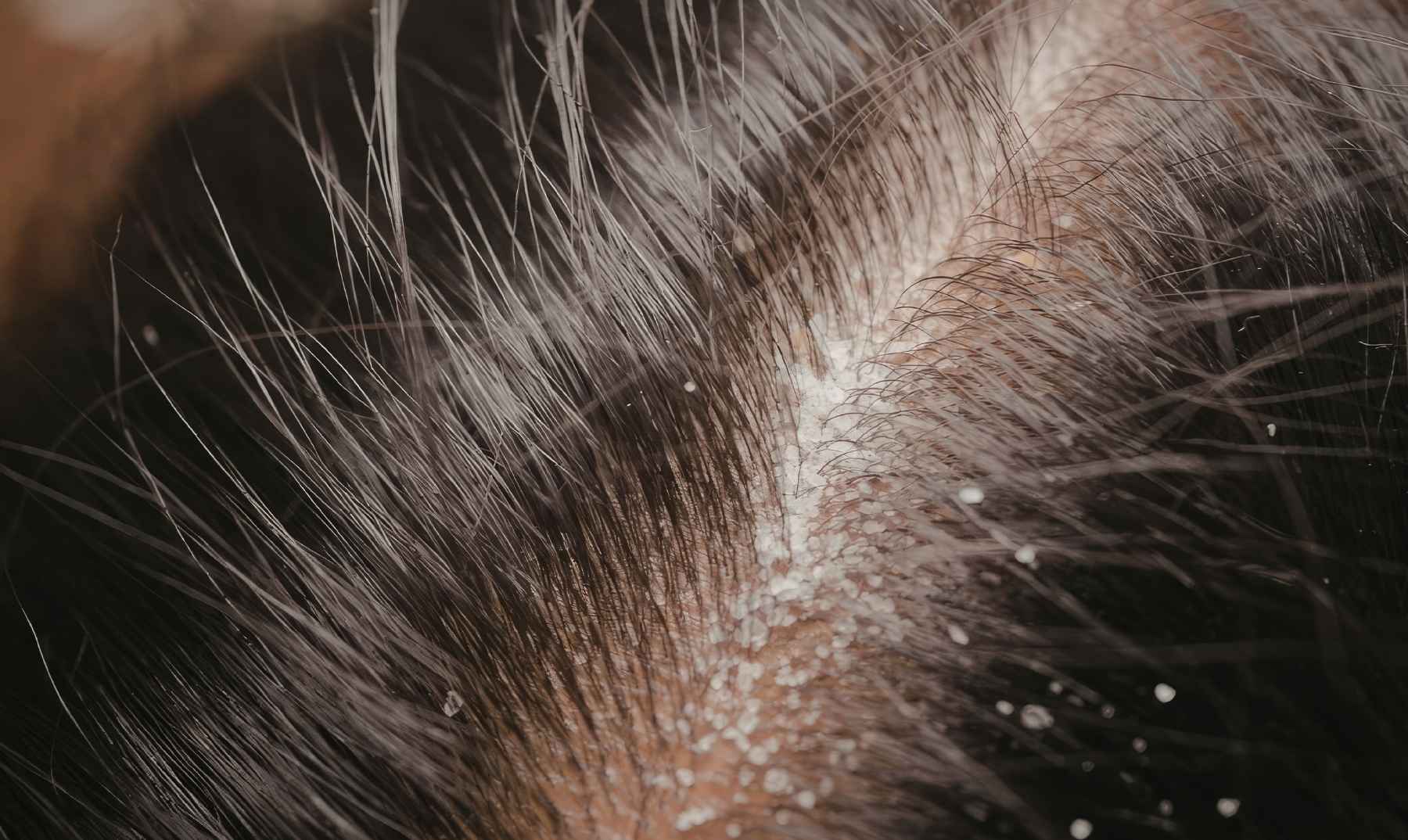
I went on a spending spree and tried everything and anything from hair oils (cheap and very expensive) to new shampoos and special brushes. I loaded up on vitamins, including biotin, and incorporated more protein-rich meals into my diet.
Every video I watched on social media advice would contradict the other and recommend yet another type of hair oil. Hair extensions wouldn’t work, and I didn’t want to resort to wigs. In the end, I was starting to feel hopeless.
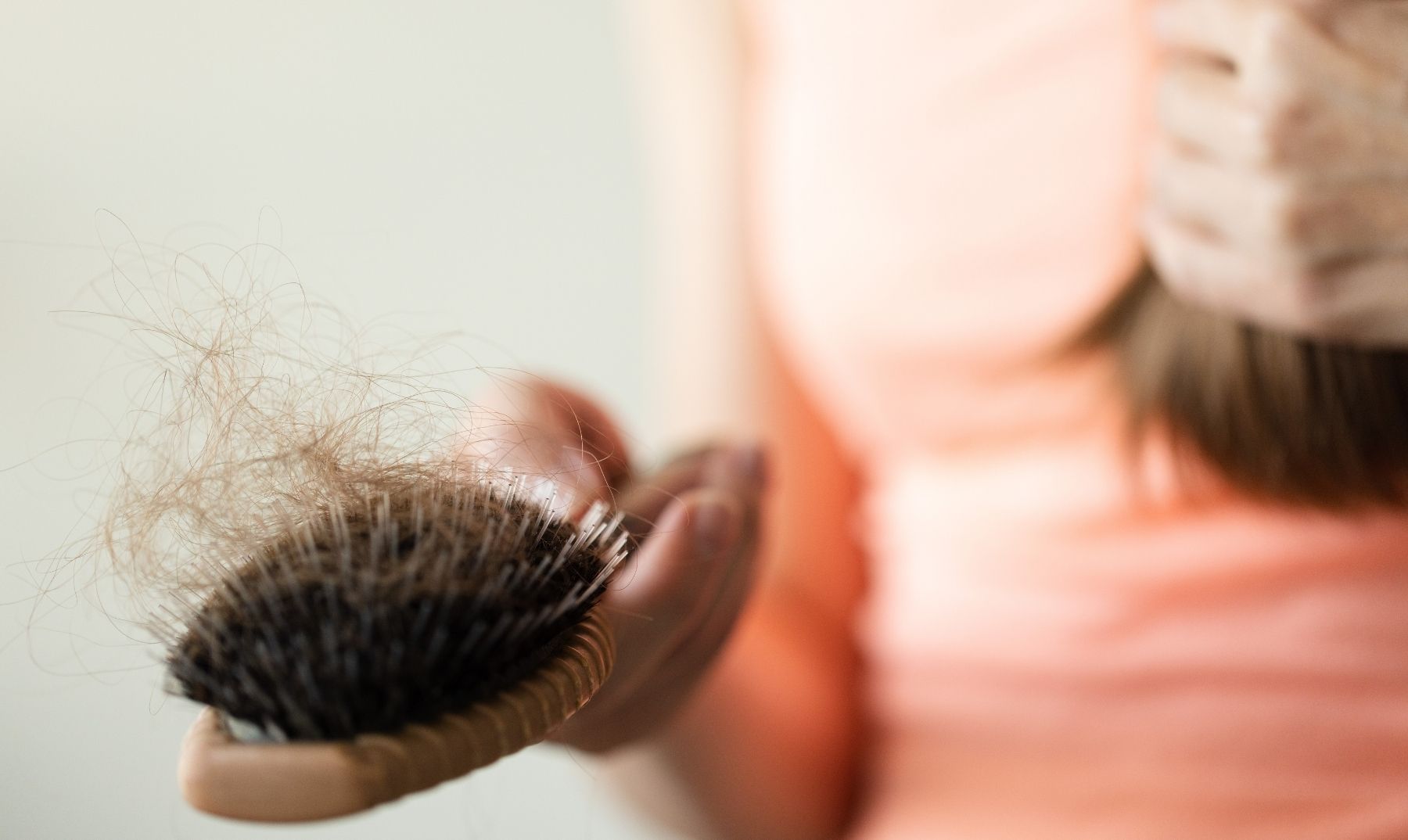
I learned that hair thinning and hair loss were common concerns among both men and women, from increased shedding to a receding hairline, leading many people, especially men, to explore surgical treatments like hair transplants. I didn’t really have a large sum of money to put toward fixing the issue, and shaving my head wasn’t something I wanted to do either.
I was desperate to keep the hair I had left and restore it, rather than lose any more of it.
So I started to look into medically led, non-invasive treatments available in the Cayman Islands, which brought me to Aventis, where I was recommended treatments that did exactly what I wanted them to: boost my hair growth and, at the same time, my confidence.

Rather than panicking and throwing caution to the wind, the first step in treating hair thinning is understanding the cause to find the right treatment.
Often, though, hair loss can be caused by more than one factor, which is why seeing a professional and working on a tailored treatment plan are essential for stopping shedding and regrowing hair.
At this stage, the goal is not only to prevent further hair thinning but also to reactivate and strengthen weakened hair follicles. The earlier you intervene, the better.
Strategies include stimulating natural hair growth, improving scalp health, increasing blood supply to hair follicles, and supporting long-term hair density. Aventis helped me achieve this in two ways:
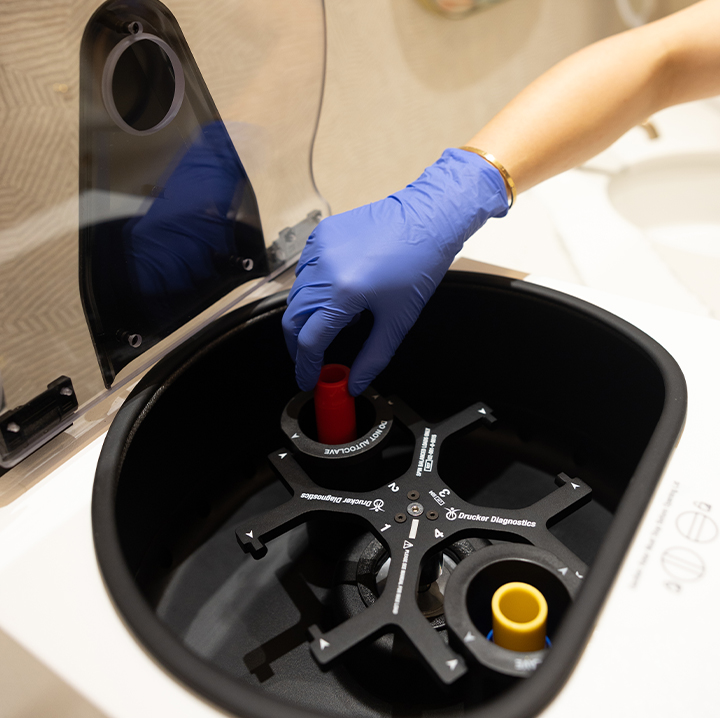
PRP therapy (Platelet-Rich Plasma) is an effective hair loss treatment that uses the body’s own growth factors to promote healthy hair growth, stimulate dormant hair follicles, and improve hair thickness and density. But the treatment is most effective when you’re in the early stages of thinning and can be used as an ongoing restoration plan.
When you’re further into the shedding stages and your case is particularly advanced, a combination approach is typically recommended, ensuring that both the cause and symptoms of hair loss are addressed to deliver more consistent, long-term results. More advanced treatment options can include PRF or Minoxidil/Finasteride. Email Aventis: aesthetics@aventis.ky
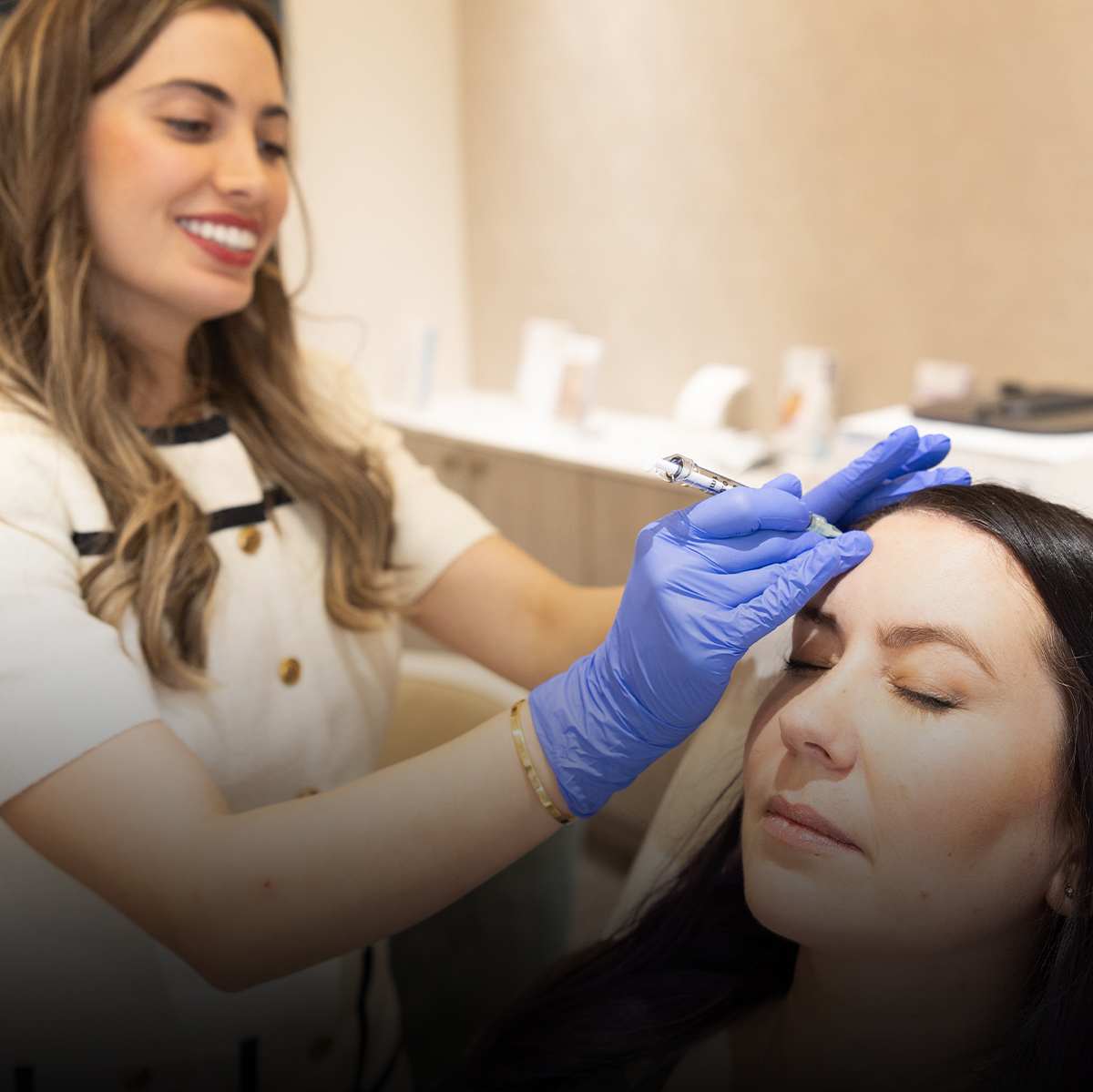
The world of medical aesthetics has advanced so much that there are plenty of treatment options that are minimally invasive to boost hair growth in 2026 – and Aventis offer them all.
To treat thinning hair and hair loss, you should begin with a comprehensive consultation (free) to explore your options and learn the expected regrowth timeline.
This will be the key to finding the right clinically proven treatment that works with your body rather than against it.
1. What do we recommend first for thinning hair and hair loss?
Aventis starts with a consultation to identify the cause of the hair loss. The correct treatment depends on genetics, hormones, stress, nutrition, and your overall health.
2. What treatments does Aventis offer for thinning hair?
We offer medical-led options such as PRP therapy to stimulate weaker follicles and support thicker, healthier regrowth. For more advanced cases, clients may be advised on a broader restoration plan such as PRF or Minoxidil/Finasteride.
3. How long do results last from hair loss treatment?
Results can vary depending on the cause of the hair loss and the treatment used, but Aventis presents hair restoration as an ongoing plan rather than a one-off fix. The page also notes that clients can discuss their expected regrowth timeline during their consultation.
Further Reading
Find Aventis at Caribbean Plaza, 878 West Bay Rd, George Town, Grand Cayman, KY1-1205.
Back to Blog